


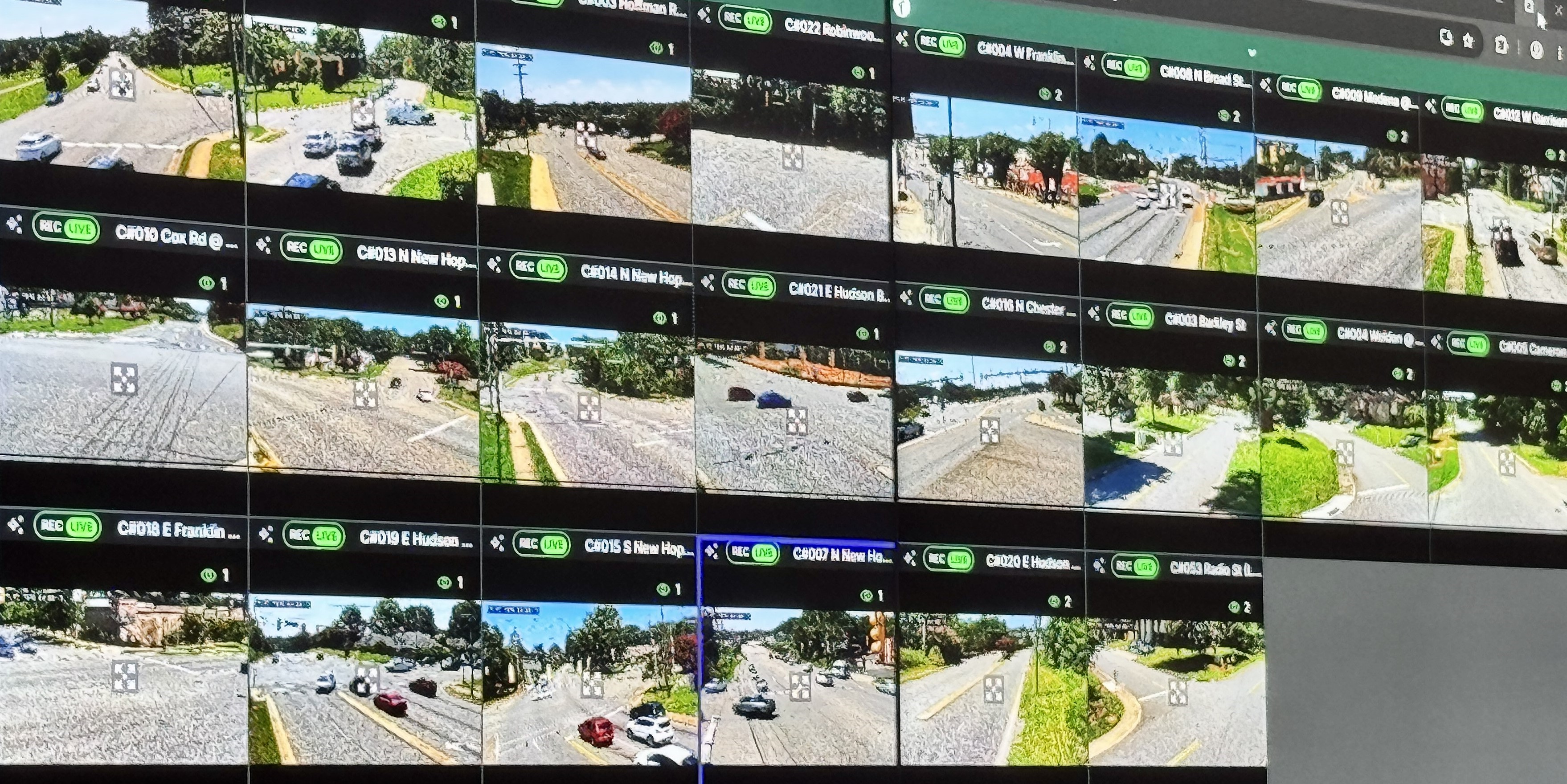
A Real-Time Crime Center (RTCC) is a centralized facility where law enforcement personnel collect, access, and analyze information from multiple sources in real time to support ongoing investigations and public-safety operations. RTCCs are typically equipped with large displays and multiple workstations that allow personnel to quickly access and monitor information from different camera networks and other systems.
RTCC may provide access to technologies such as automated license plate readers, gunshot detection systems, facial recognition, live camera feeds, and other data-analysis tools. Unlike fusion centers, which generally focus on sharing and analyzing information across broader jurisdictions and agencies, RTCCs typically operate at the local or regional level. Their work can support a wide range of criminal investigations and other law enforcement activities by helping personnel rapidly identify, analyze, and share relevant information.
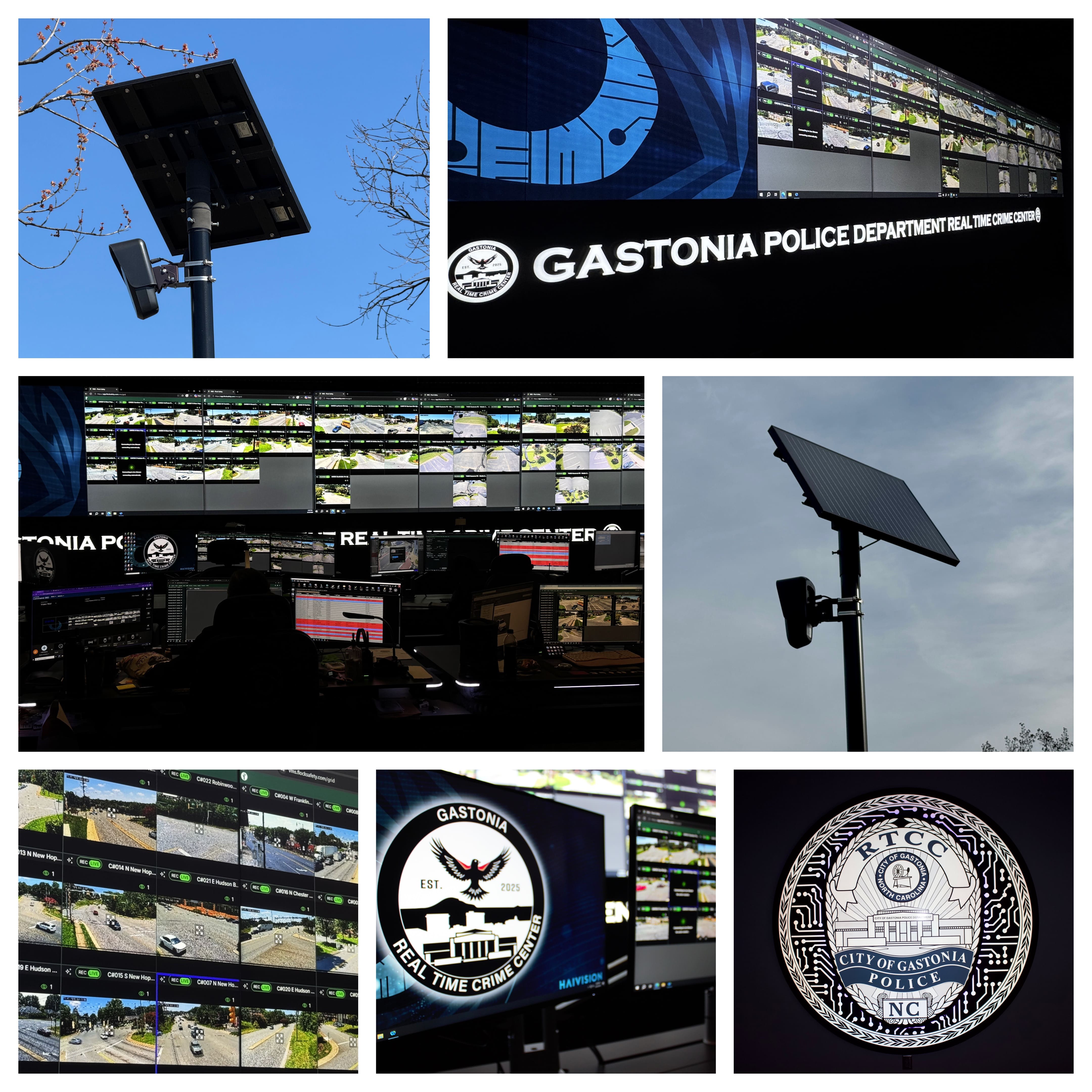
How the Gastonia Police Department Uses License Plate Reader Technology
Residents deserve clear answers about License Plate Reader (LPR) cameras. Here's what the technology is, how the Gastonia Police Department uses it, and what it's not used for.
Quick Facts
- LPR images and data belong to the Gastonia Police Department. Flock, the company that makes the cameras, does not have access to them.
- LPRs capture a photo of the vehicle and plate, plus the location and time — nothing more.
- They do not identify vehicle owners or drivers.
- Data is kept no longer than 30 days on government-managed servers.
- Only authorized Gastonia Police Department personnel can access it, for legitimate law enforcement purposes.
Types of Flock Equipment
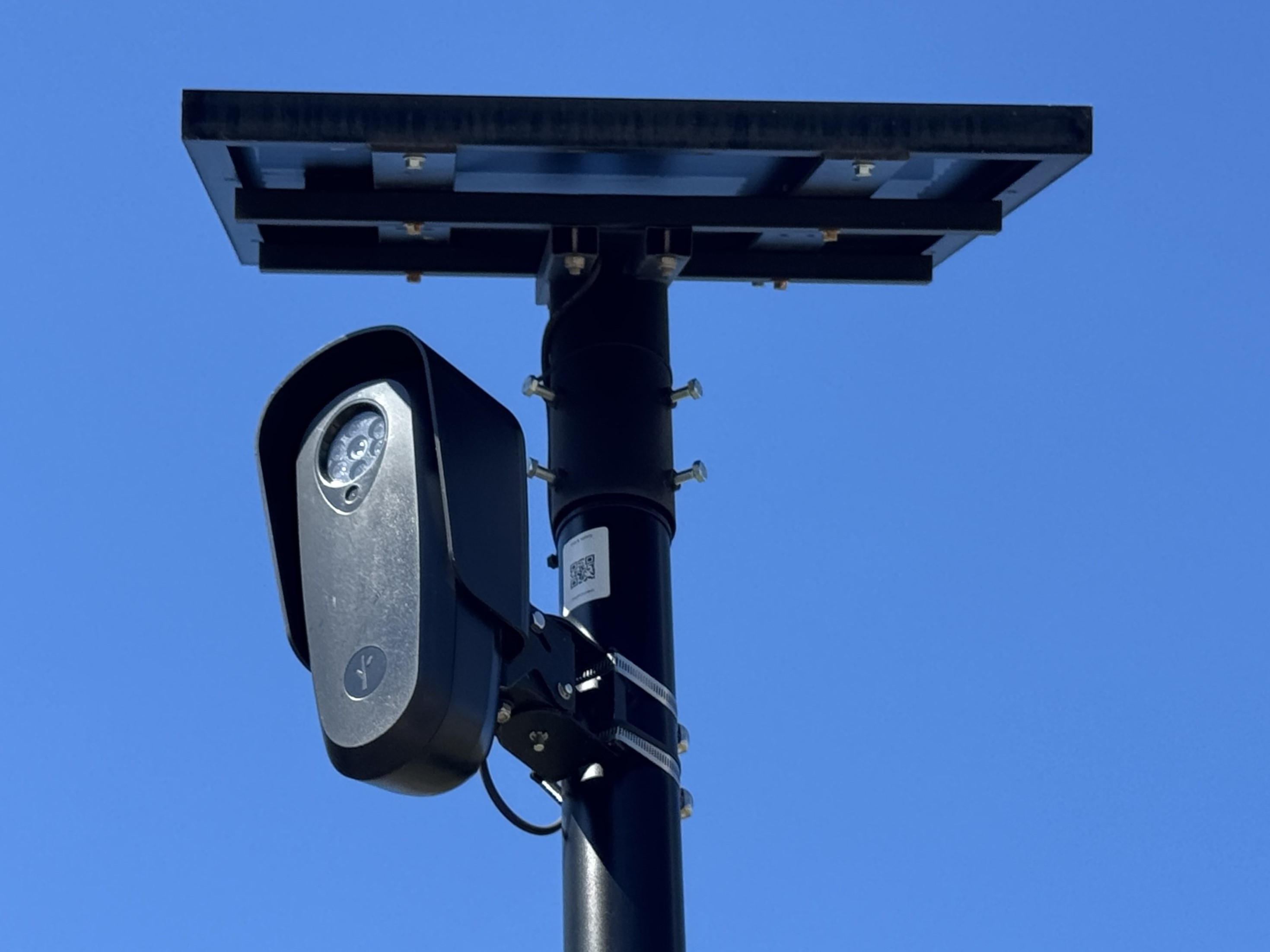
License Plate Reader (LPR)
Takes one still image of a vehicle's plate and body. It's fixed in place and can't turn or zoom.
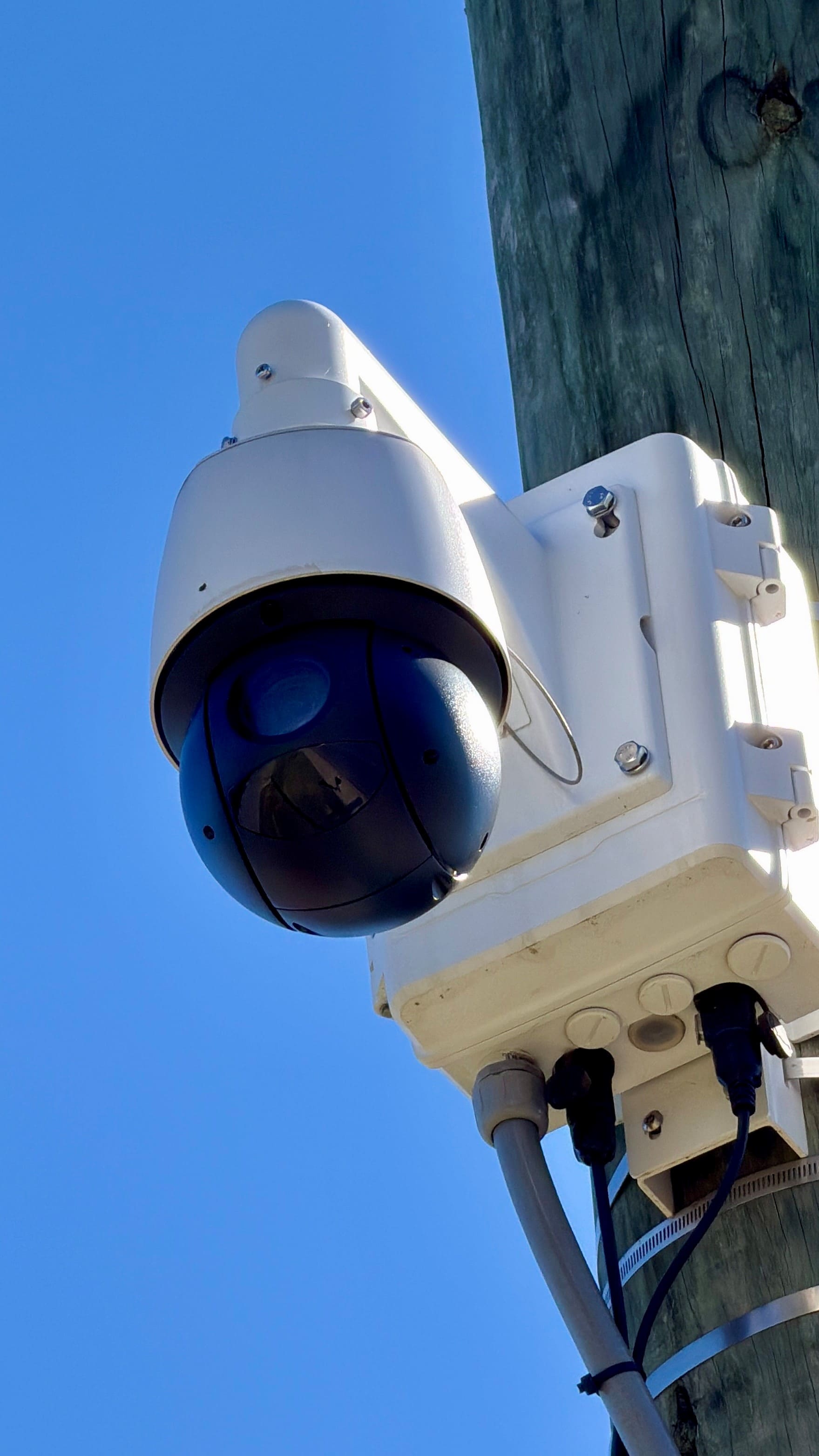
Live Camera
Usually at major intersections. It can be moved and zoomed.
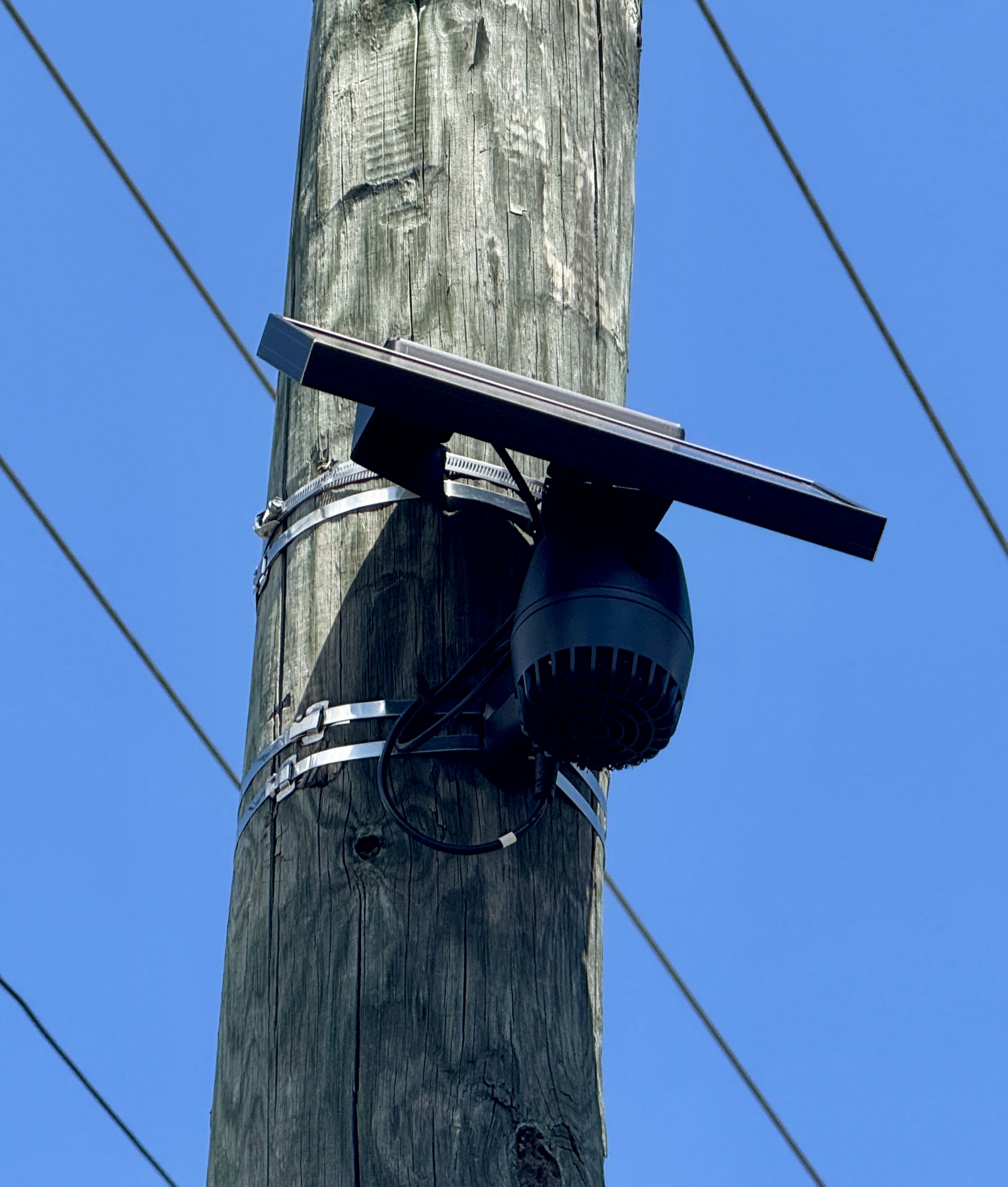
Audio Detection
Records only when it detects a critical sound, like a gunshot, fireworks, a boom, or a cry for help. It doesn't have the storage to record 24/7.
How the Cameras Have Helped
- Finding missing persons and responding to Amber and Silver Alerts
- Recovering stolen vehicles
- Investigating vehicle crashes
- Locating wanted fugitives
- Identifying suspects in larcenies, frauds, and other crimes
- Helping neighboring agencies identify suspect vehicles and build accurate timelines
Can't see the video? Watch it on YouTube.
What LPR Cameras Do — and Don't Do
Our system records:
- A photo of the vehicle
- The license plate
- The camera's location
- The date and time
Our system does NOT:
- Identify the vehicle's owner
- Identify the driver
- Track anyone's daily activities
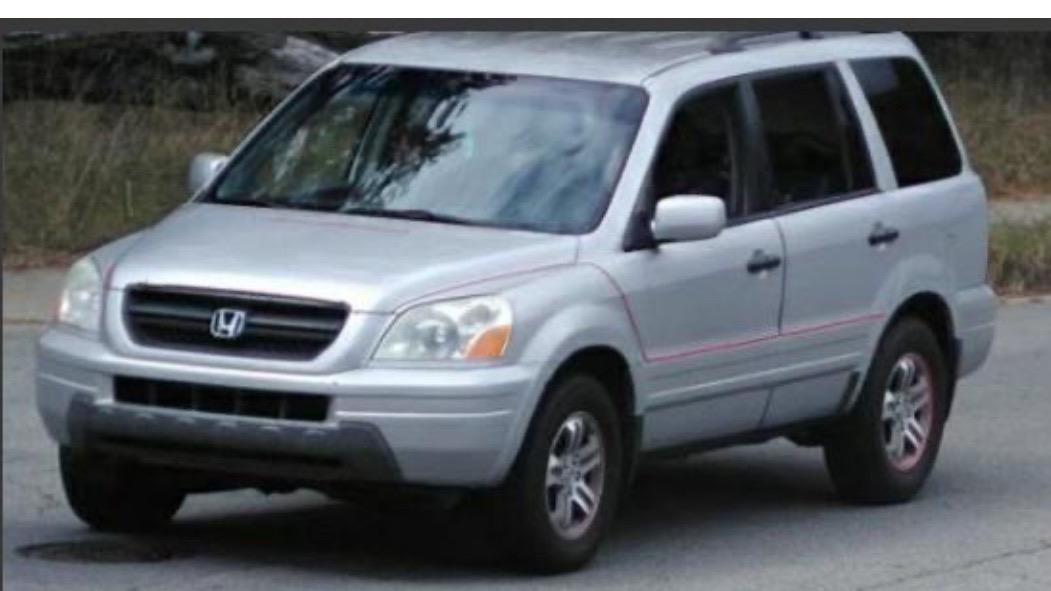
Most images are never viewed. They only matter when investigators are looking for a specific vehicle tied to a crime, a missing person, or a wanted individual. Owner information still requires a separate, lawful search of official law enforcement databases.
Because LPRs capture a photo, not just a plate number, they help investigators tell similar vehicles apart and identify the right one quickly.
Myths & Facts
Select a myth to see the facts.
MYTH: LPRs are used to track everyone in Gastonia.
MYTH: Police can access this information without limits.
MYTH: The cameras don't make a difference.
MYTH: This technology is unique or invasive.
Our Commitment & Policies
The Gastonia Police Department is committed to using technology responsibly, protecting the privacy of law-abiding residents, and operating with transparency.
About Flock Safety
Flock is a private company that sells LPR technology to agencies, HOAs, and other organizations. The Flock cameras within Gastonia city limits are operated by the Gastonia Police Department — not by Flock — and the data they collect is owned by the Gastonia Police Department.