When you think of The Schiele Museum of Natural History, the first thing that comes to mind may not be love. But Rudolph “Bud” Schiele loved nature. His intense interest in the natural world began when he was a boy in Philadelphia in the 1890s, wandering in nature, taking photographs and seeking out hiking trails. His first job was as an apprentice curator at the Commercial Museum in Philadelphia, and he dreamed of creating his own sanctuary to display his growing collection of photos, birds he had mounted, and other natural artifacts.
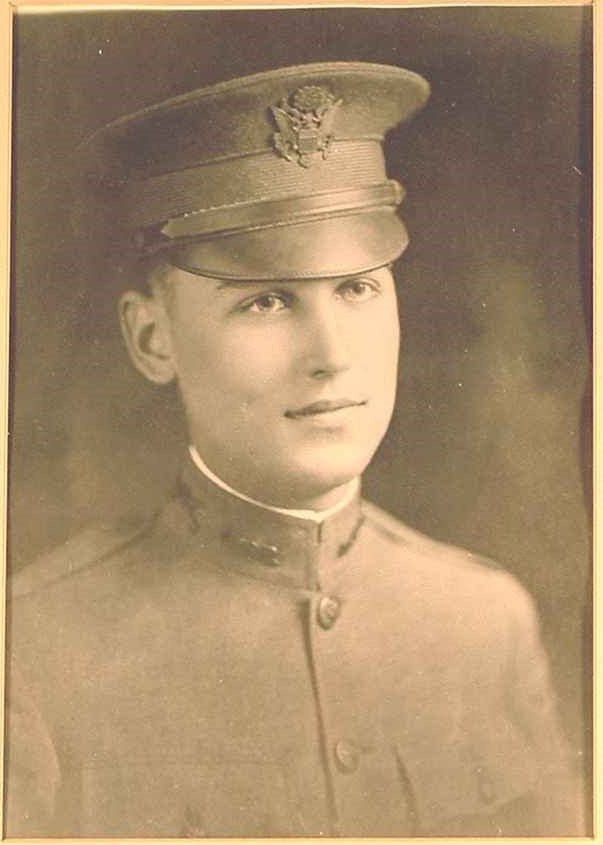 2nd Lt. Bud SchieleIn 1916, love again changed Bud Schiele’s life. He married Lily Hobbs and the newlyweds spent their honeymoon gathering rocks, shells and other items for his ever-expanding collection. After serving in the Army in England and France during World War I, Bud Schiele returned to civilian life and began working for the Boy Scouts of America. He and Lily came to Gaston County in 1924 to open the Boy Scouts’ Piedmont Council headquarters in Gastonia.
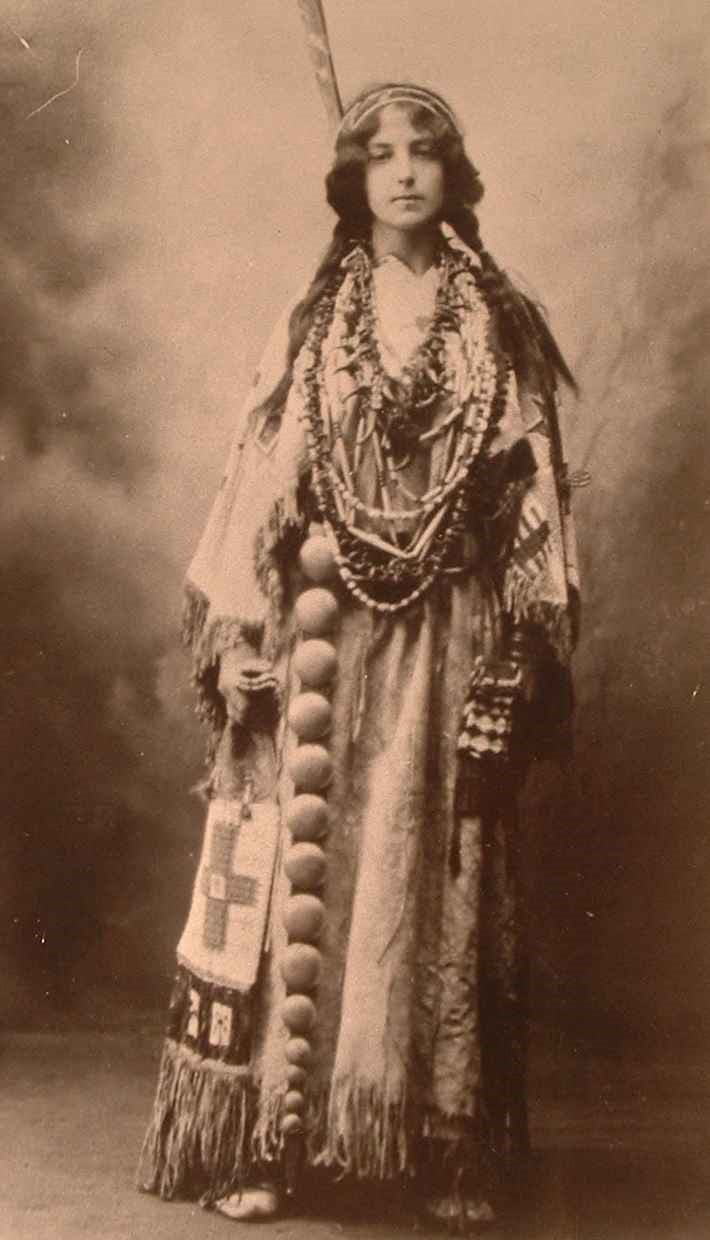 Lily Schiele at the museumFor 38 years, the Schieles lovingly assembled an extensive collection of wildlife, rocks and minerals, and Native American pottery and jewelry, displaying them in their home and at the Scout office. Bud became an accomplished taxidermist, and he and Lily were outdoor enthusiasts, collectors, historians and educators. They never had children, but Lily considered the more than 100,000 boys who went through local Scouting programs as being like her own.
Museum opened in 1961
After Bud’s retirement from the Boy Scouts in 1959, the Schieles offered to donate their beloved biological and anthropological collection if the community would provide a building for a museum. Local officials, led by three former Boy Scouts who were now adults, raised the money. And on July 24, 1961, a 1,500-square-foot building opened on 2.2 acres on East Garrison Boulevard in Gastonia. It was called the Gaston County Museum of Natural History. Bud and Lily conducted museum tours, and Lily often dressed in indigenous clothing and explained aspects of Native American culture to museumgoers.
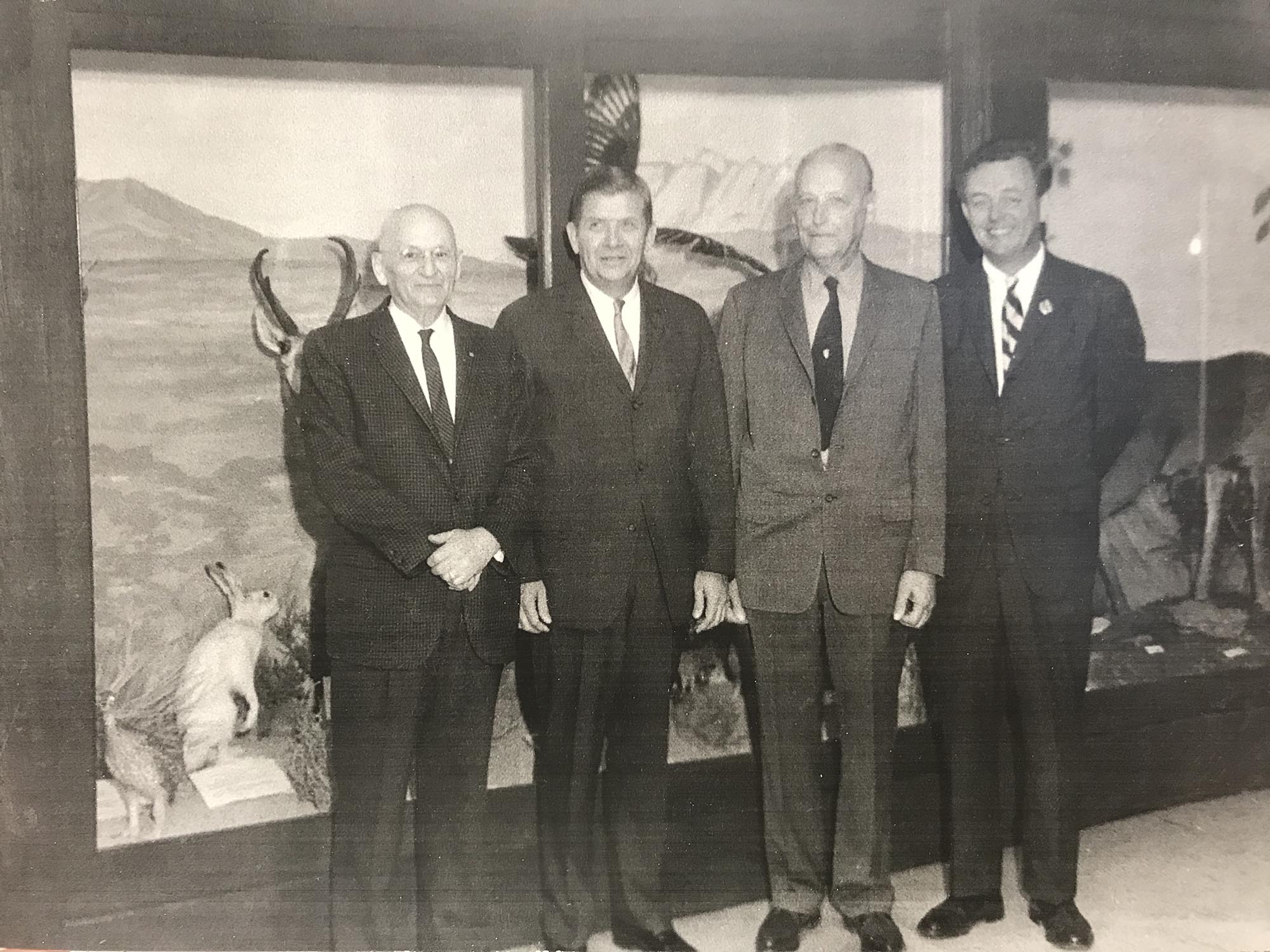 Early 1960s: Brice Dickson, NC Gov. Terry Sanford, Bud Schiele and "Skipper" Bowles at The SchieleThree years later, the museum’s ownership was transferred to the City of Gastonia for $1 and it was renamed The Schiele Museum of Natural History in honor of its founders and benefactors. “Bud and Lily Schiele both valued and respected nature, history and the diversity of the natural world,” says Dr. Ann Tippitt, the museum’s executive director. “Their belief in education through hands-on discovery continues here to this day.”
The Schieles’ original donation forms the core of the museum’s current collection, which has grown to more than 350,000 specimens. The Schiele Museum of Natural History and Planetarium is still on the original site, but now has a 77,000 square-foot building on a 20-acre campus. The museum houses animal specimens and habitats from across North America and the second-largest planetarium dome in the state.
The legacy grows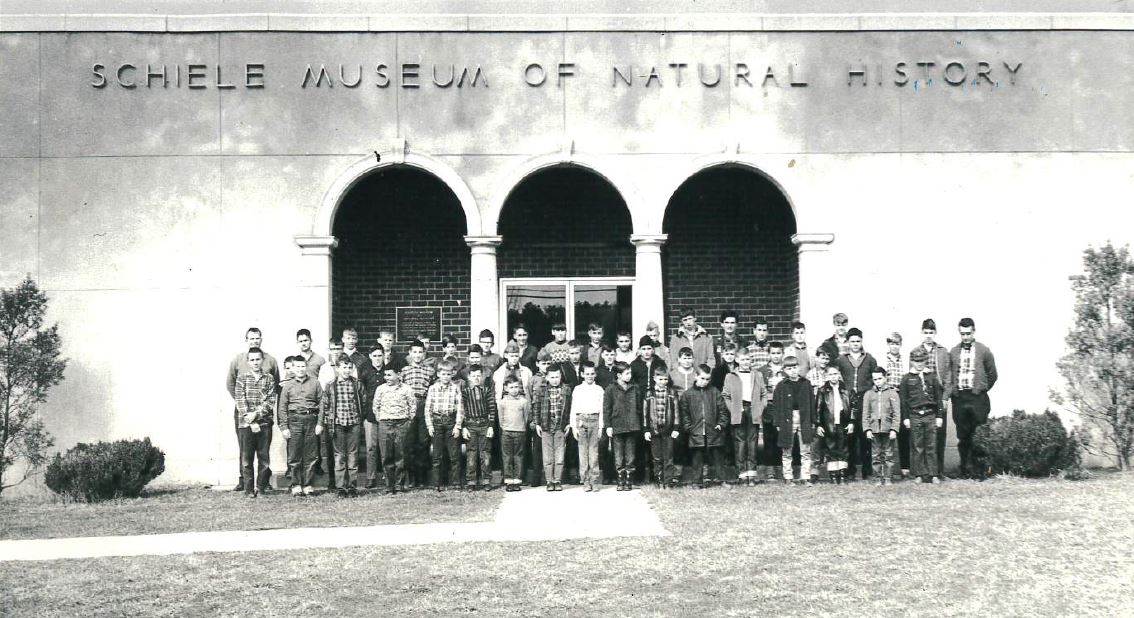 1967 school-group tour
Lily died in 1966 and Bud died in 1974, but the work they started continues to inspire awe and wonder about science and the natural world. Over the years, the museum has added dozens of indoor and outdoor exhibits including a nature trail, Catawba Indian Village exhibit, Earth Space Science Center, historical farm, and the iconic T-Rex in the lobby. In 2001, the museum became a Smithsonian Affiliate, allowing The Schiele to bring collections and resources from the Smithsonian Institution to Gastonia. The museum now attracts 96,000 visitors each year.
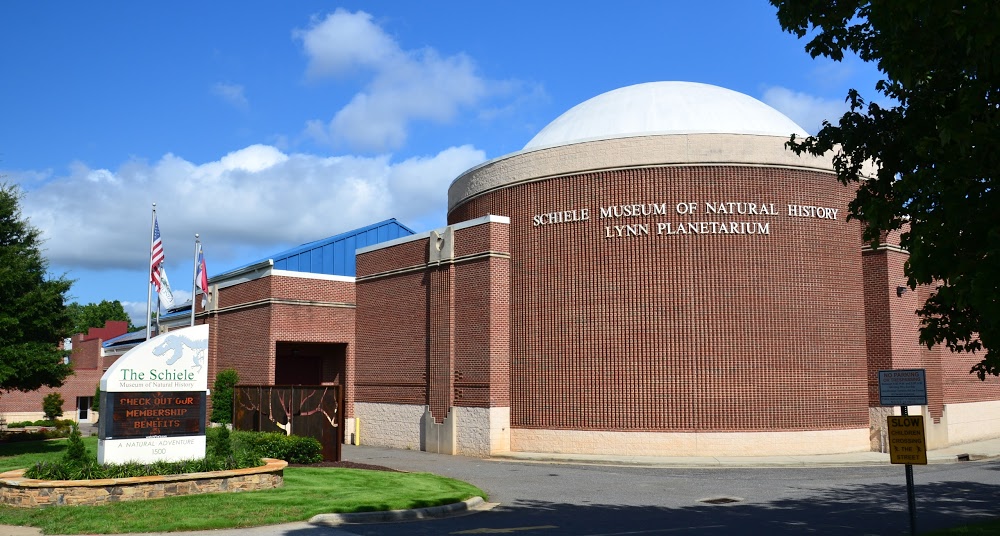 To celebrate its 60th anniversary, The Schiele will have special touches throughout the museum this summer, tributes from local leaders on social media, and a special website for visitors to share six decades’ worth of memories and photos.
Sixty years after their vast collections inspired the opening of The Schiele Museum, the legacy of Bud and Lily Schiele live on, not only in the exhibits, but in the enduring spirit of hands-on education and commitment to conservation that they loved so deeply.
See the August 2019 Employee Focus profile article about The Schiele